
24 Modal Auxiliary Verbs Pdf What Is A Modal Verb In English Mechmass
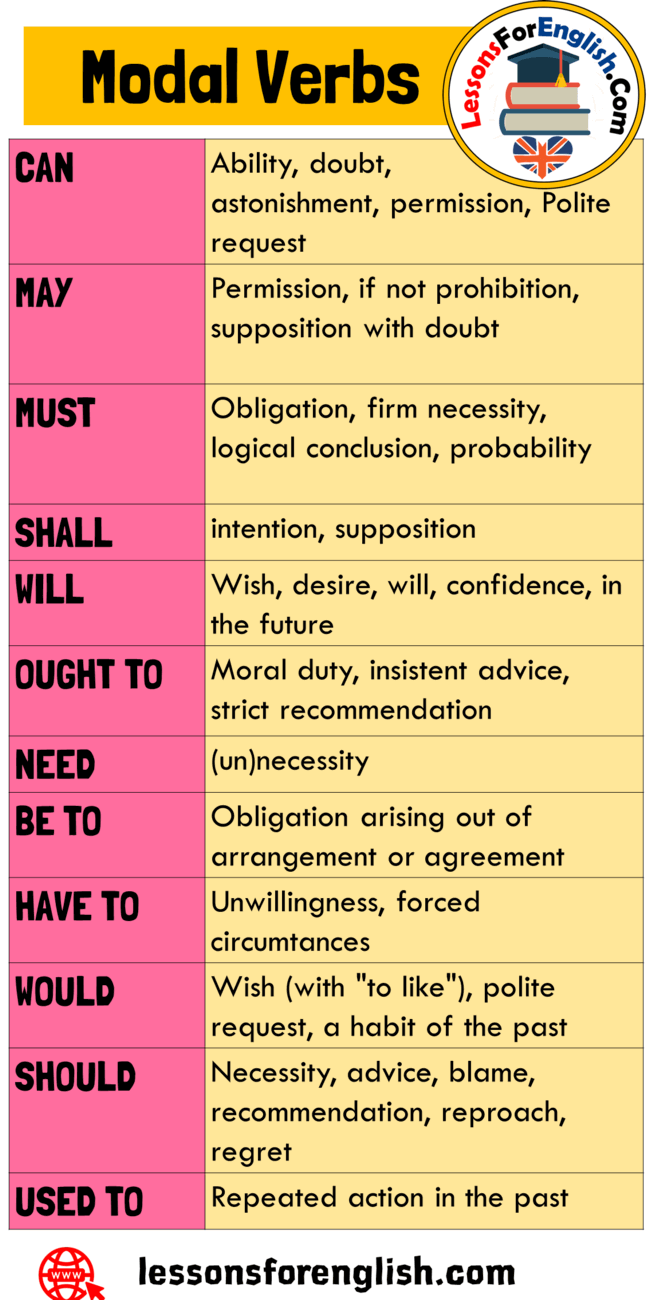
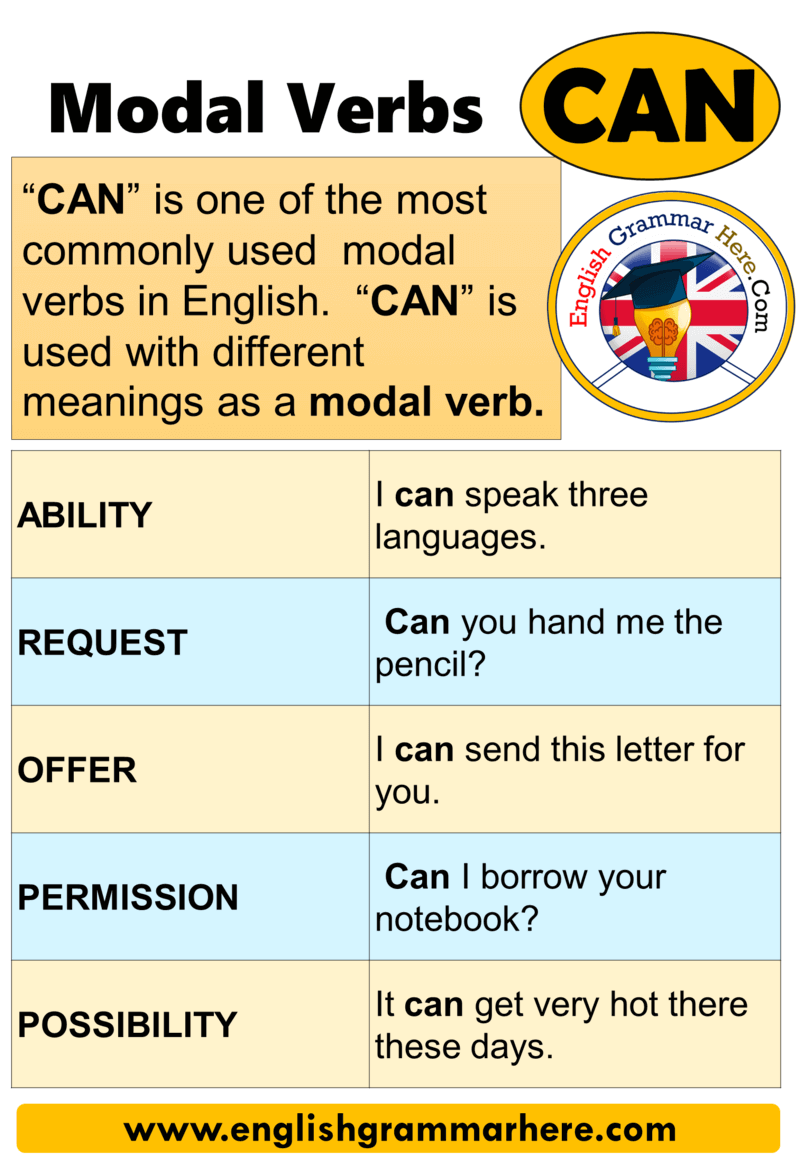
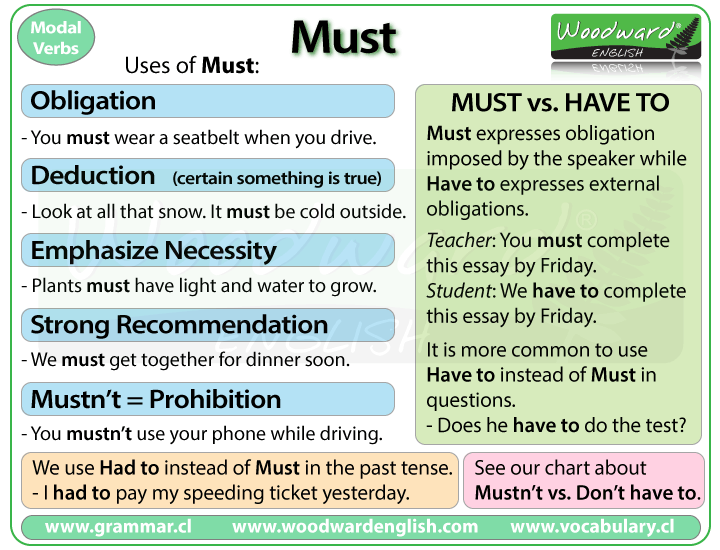
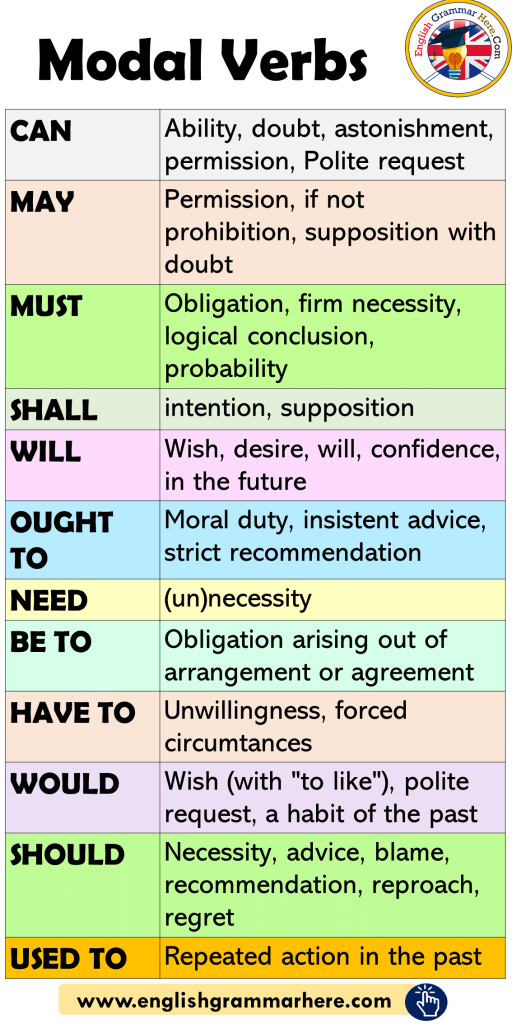
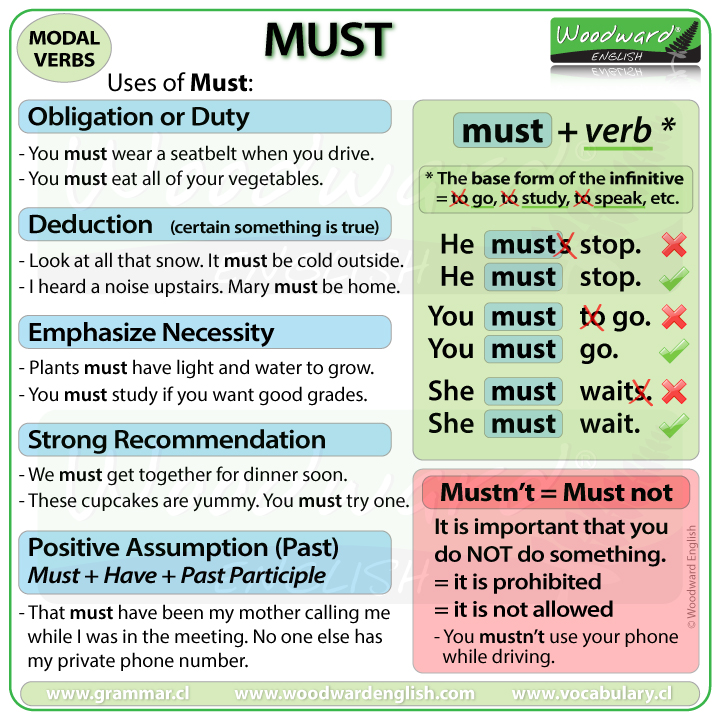
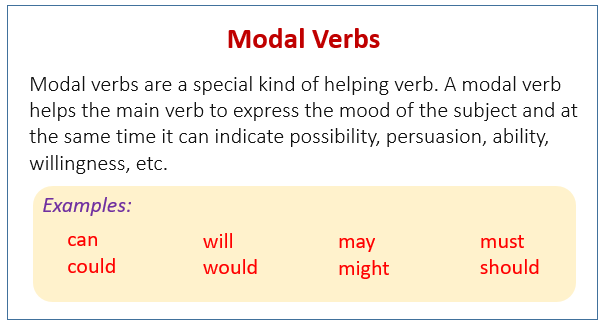
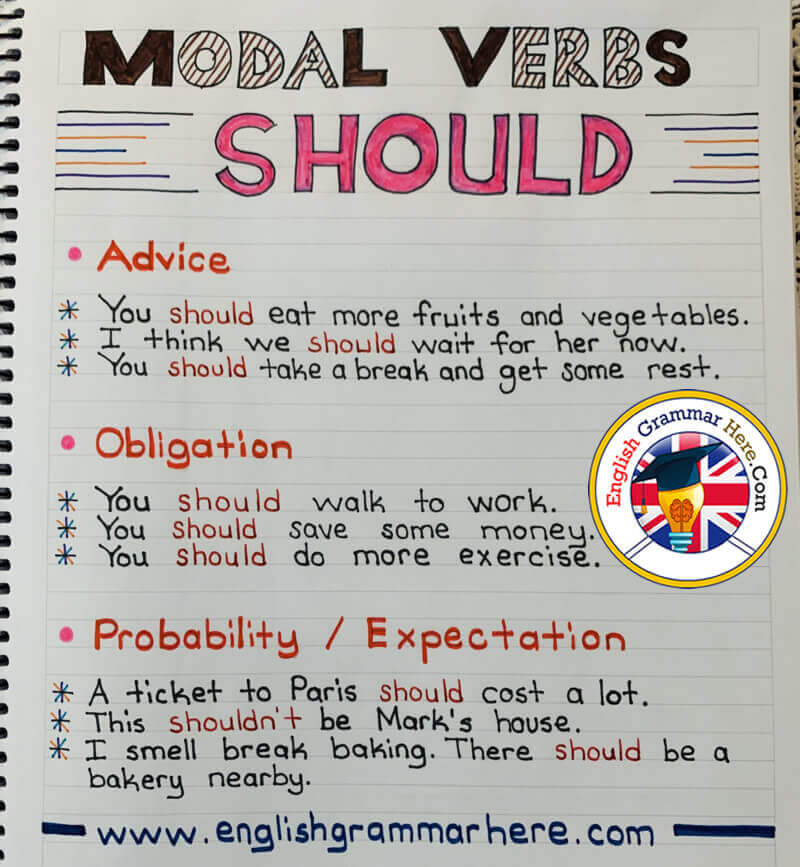
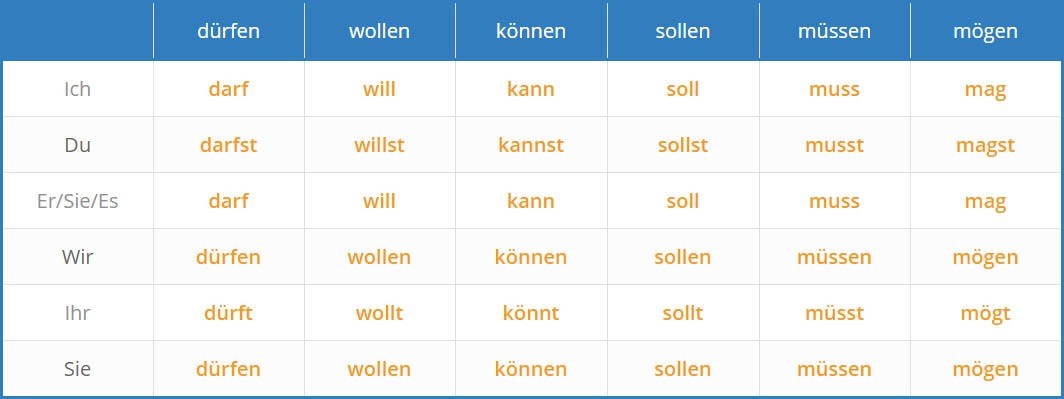
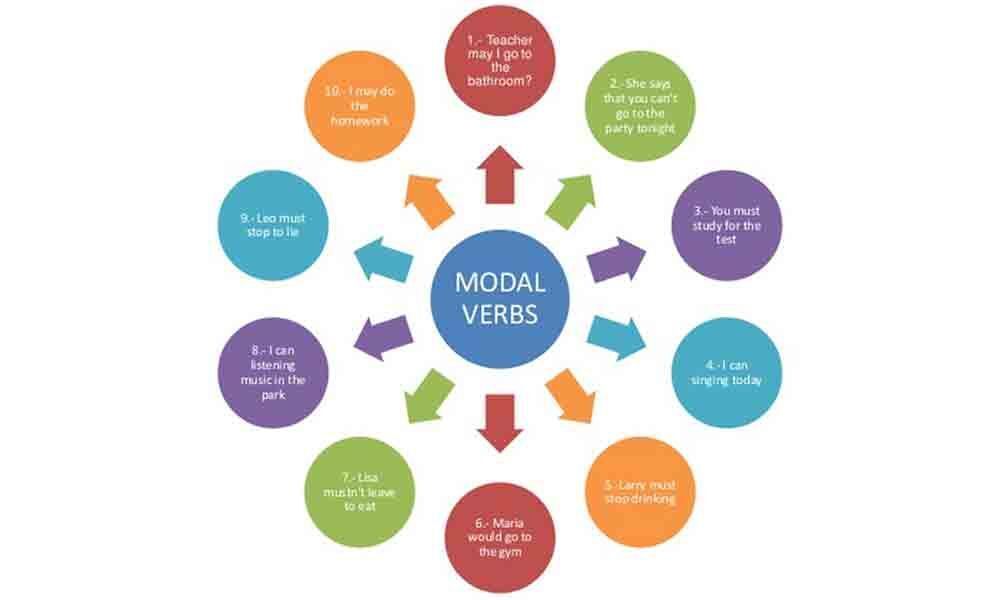
There are more modal verbs, although the Modal verbs show possibility, intent, ability, or necessity Because they're a type of auxiliary verb (helper verb), they're used together with the main verb of the sentence Common examples include can, should, and must Modal verbs can be tricky, especially when it comes to using them in a sentence The good news is that they're simple once you learn how they work
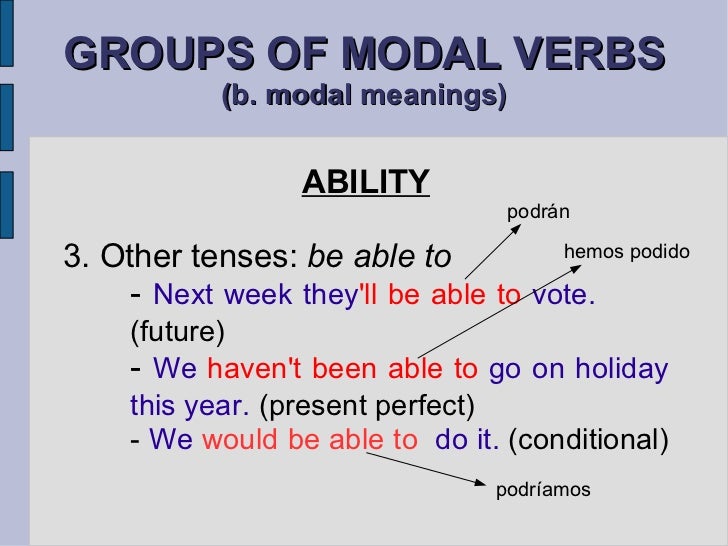
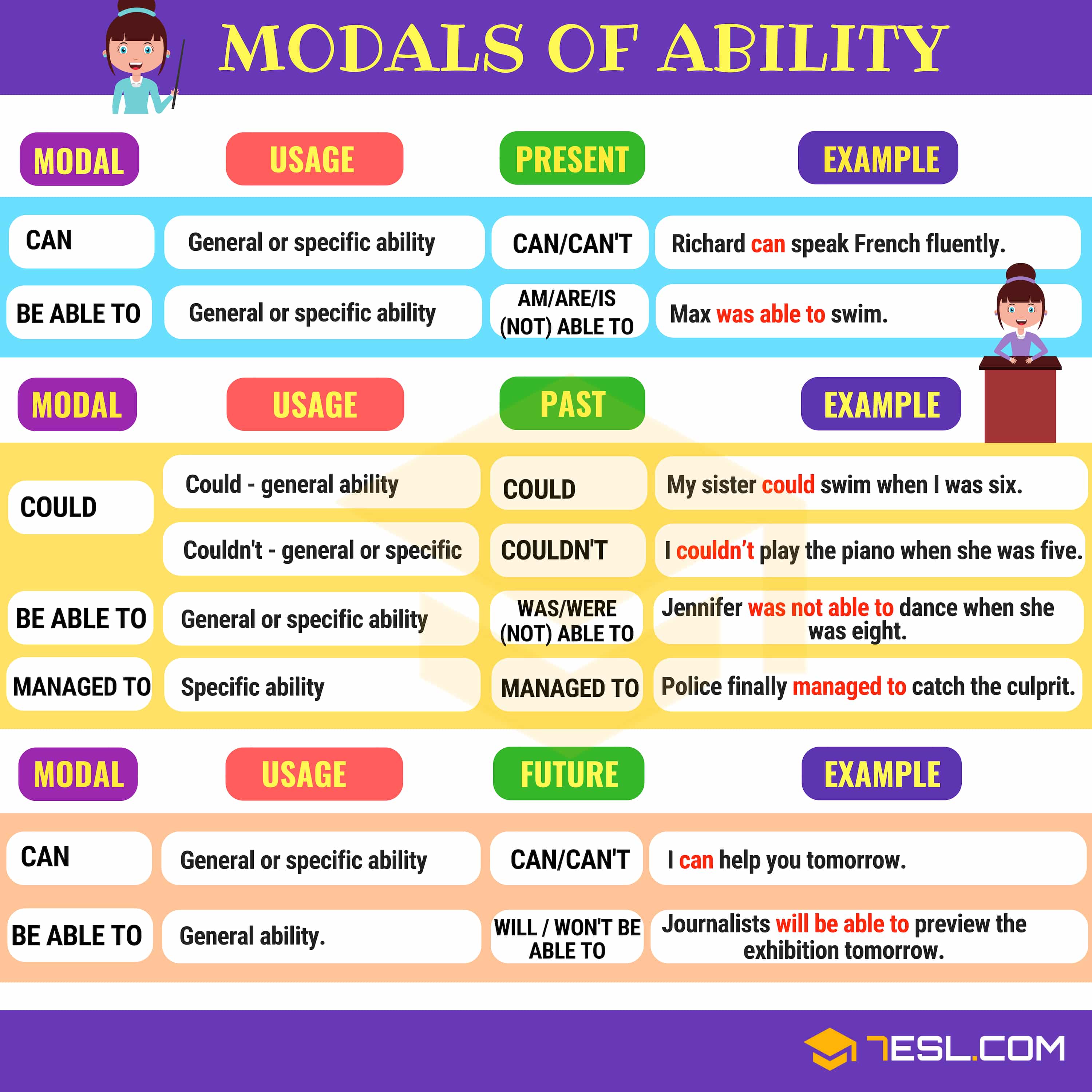
Be able to modal verb
Be able to modal verb- The future continuous stresses the verb's action being in progress at some time in the future The simple future only says that something will happen in the future Note that in all of the examples above that the modal verbs are ALWAYS followed by the base form of the verb With the continuous modals, that means that they are followed by theThe periphrastic modal be to is one of the ways to paraphrase will;
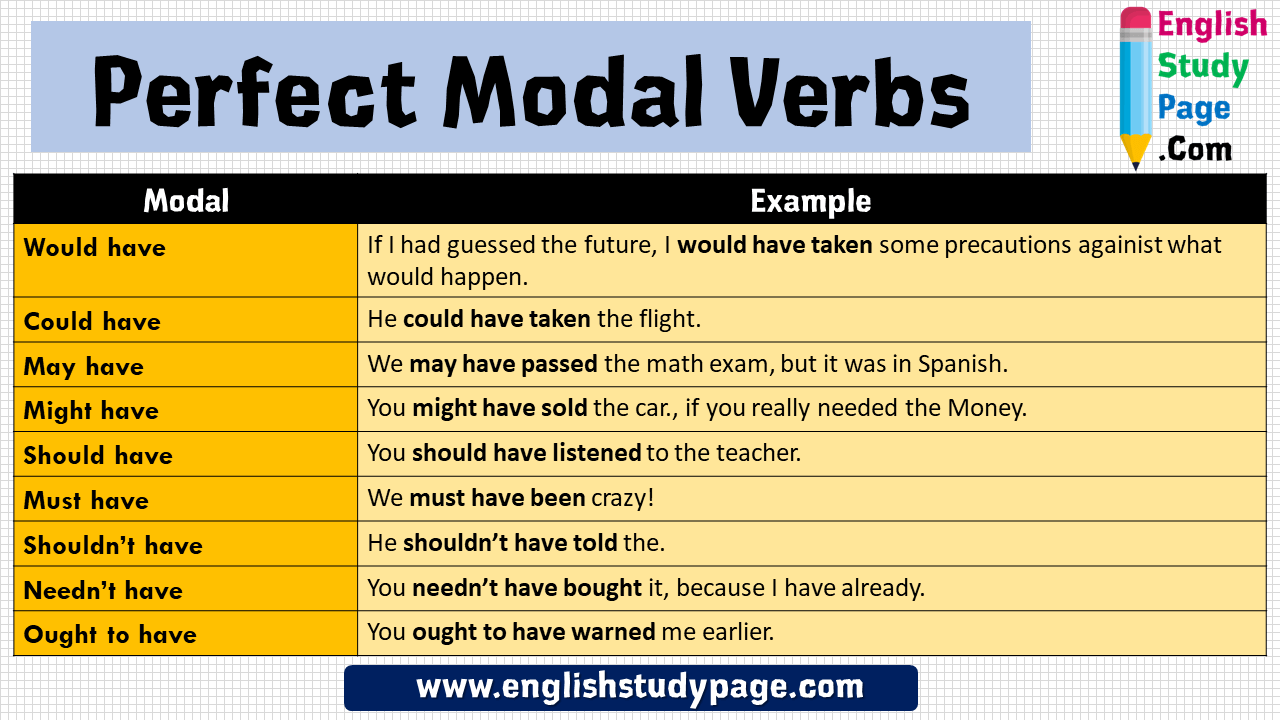
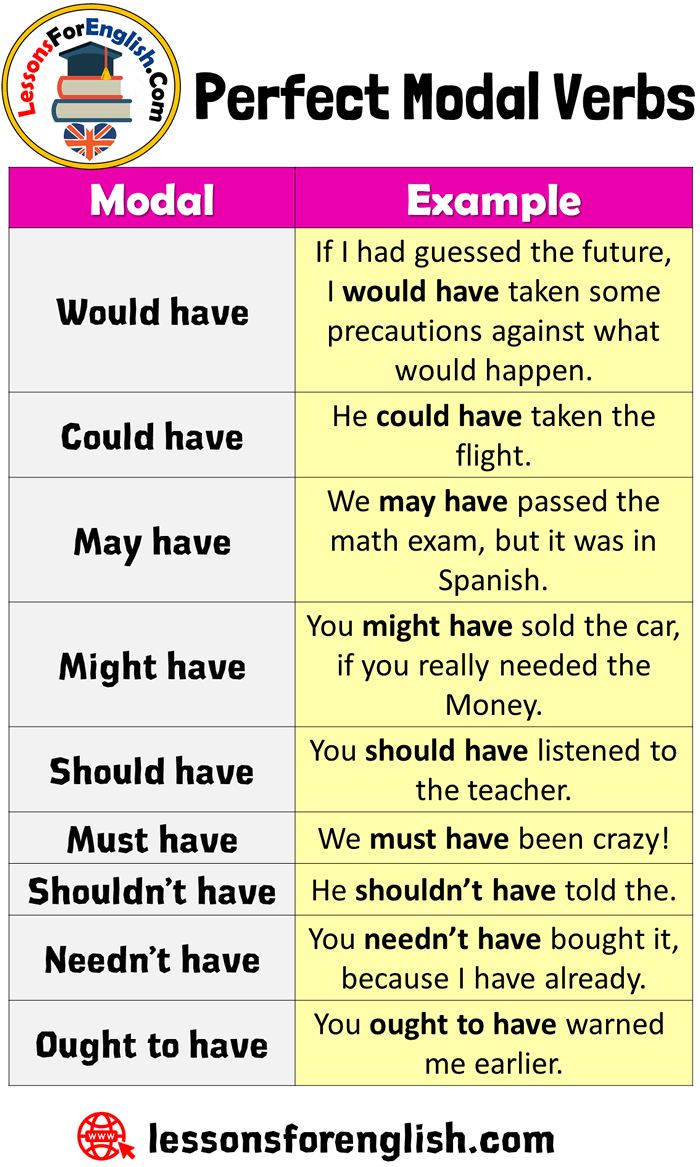
English Perfect Modal Verbs Example Sentences English Study Page
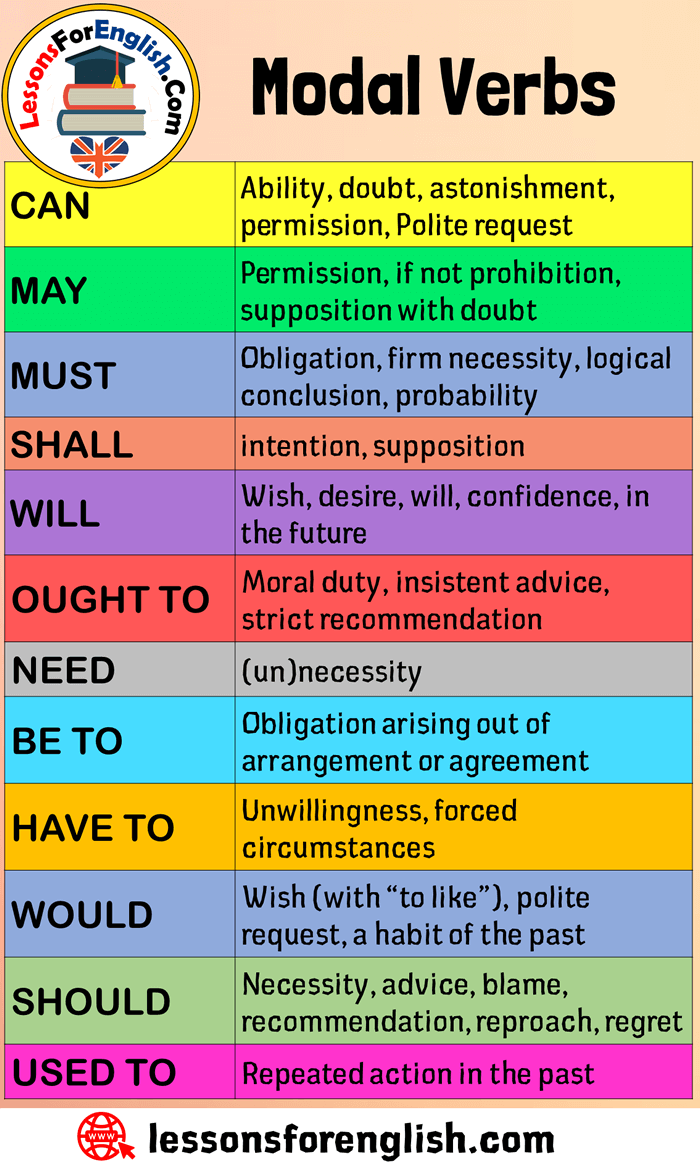
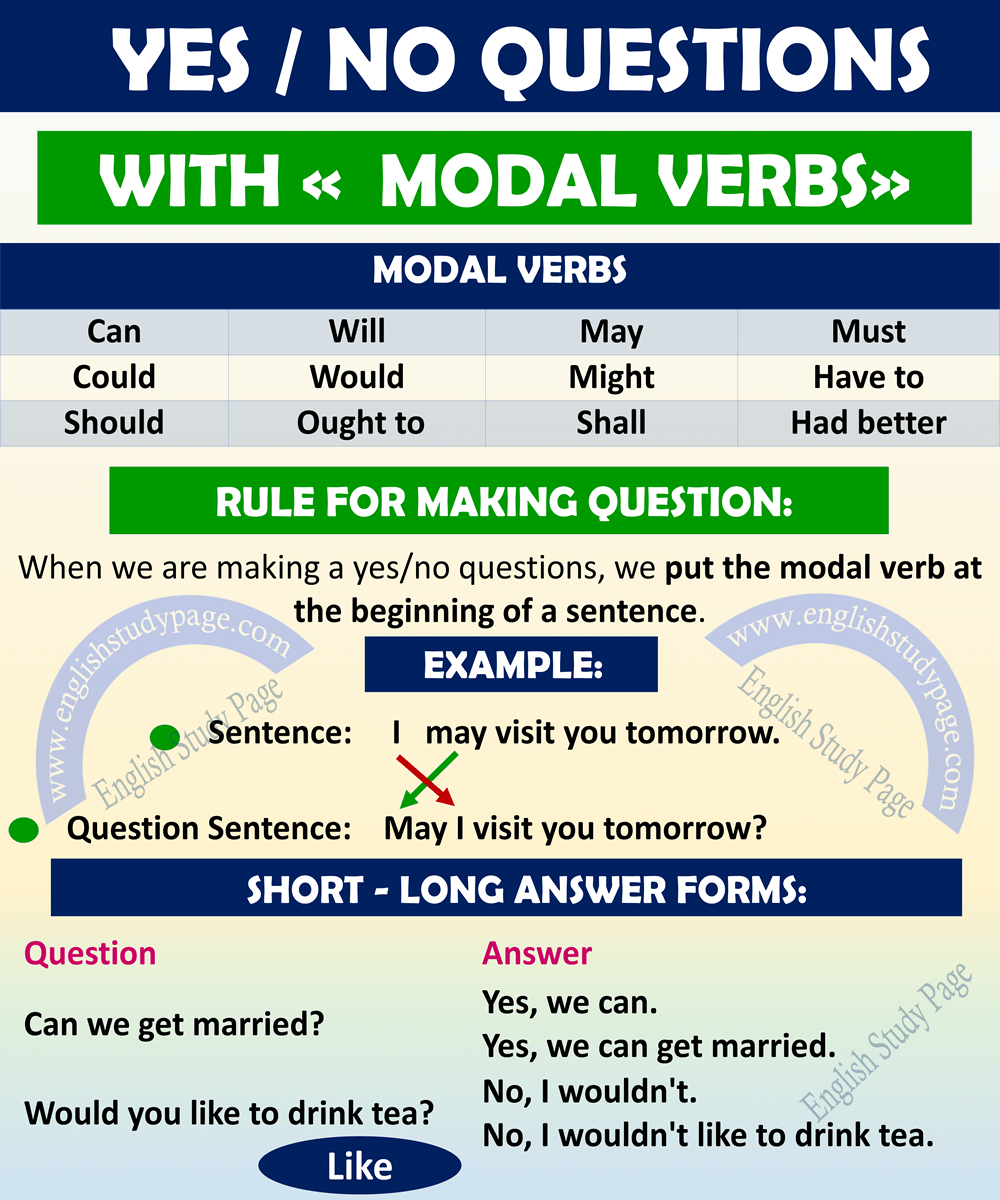
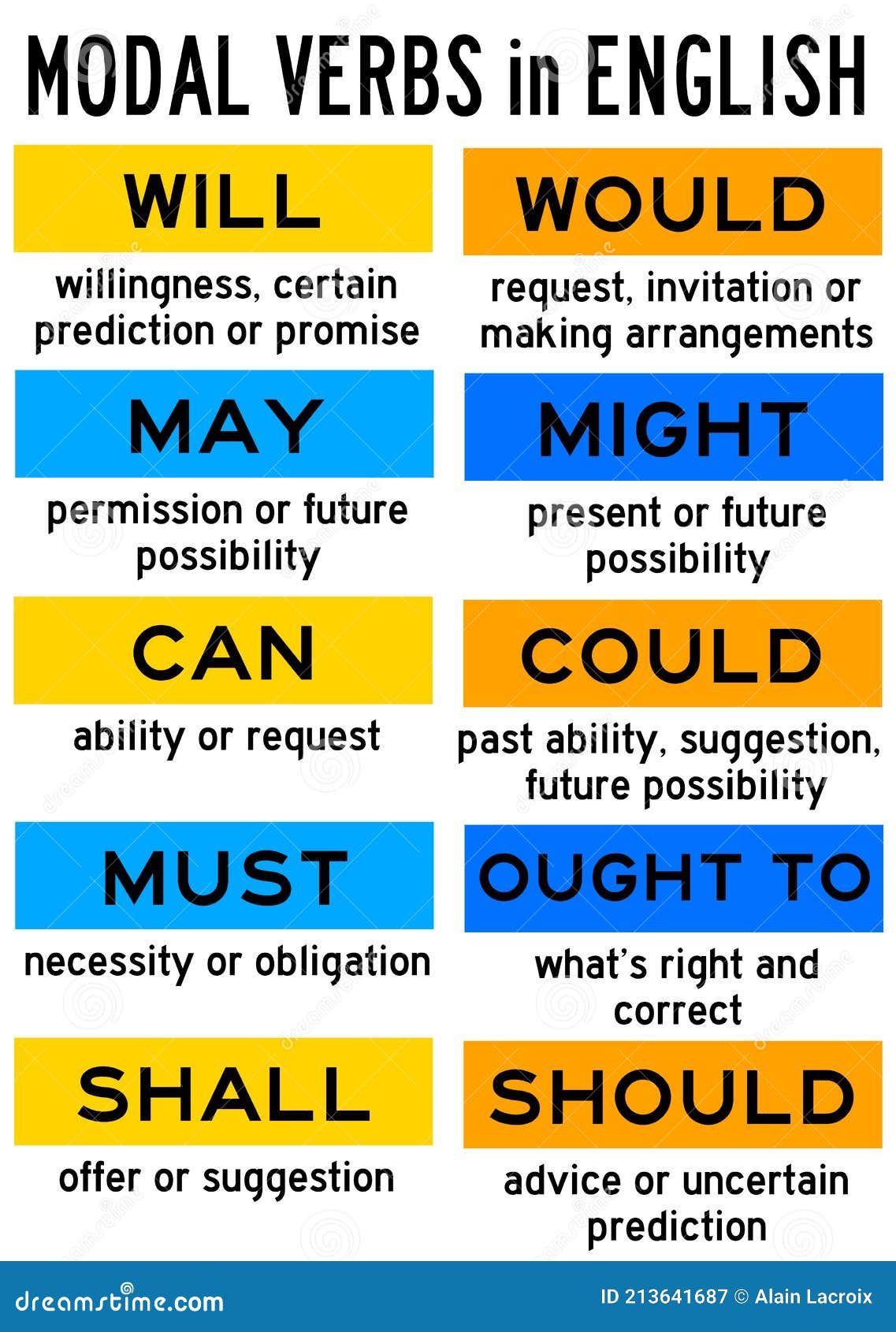
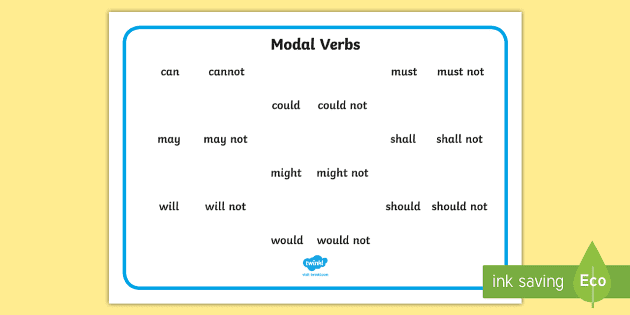
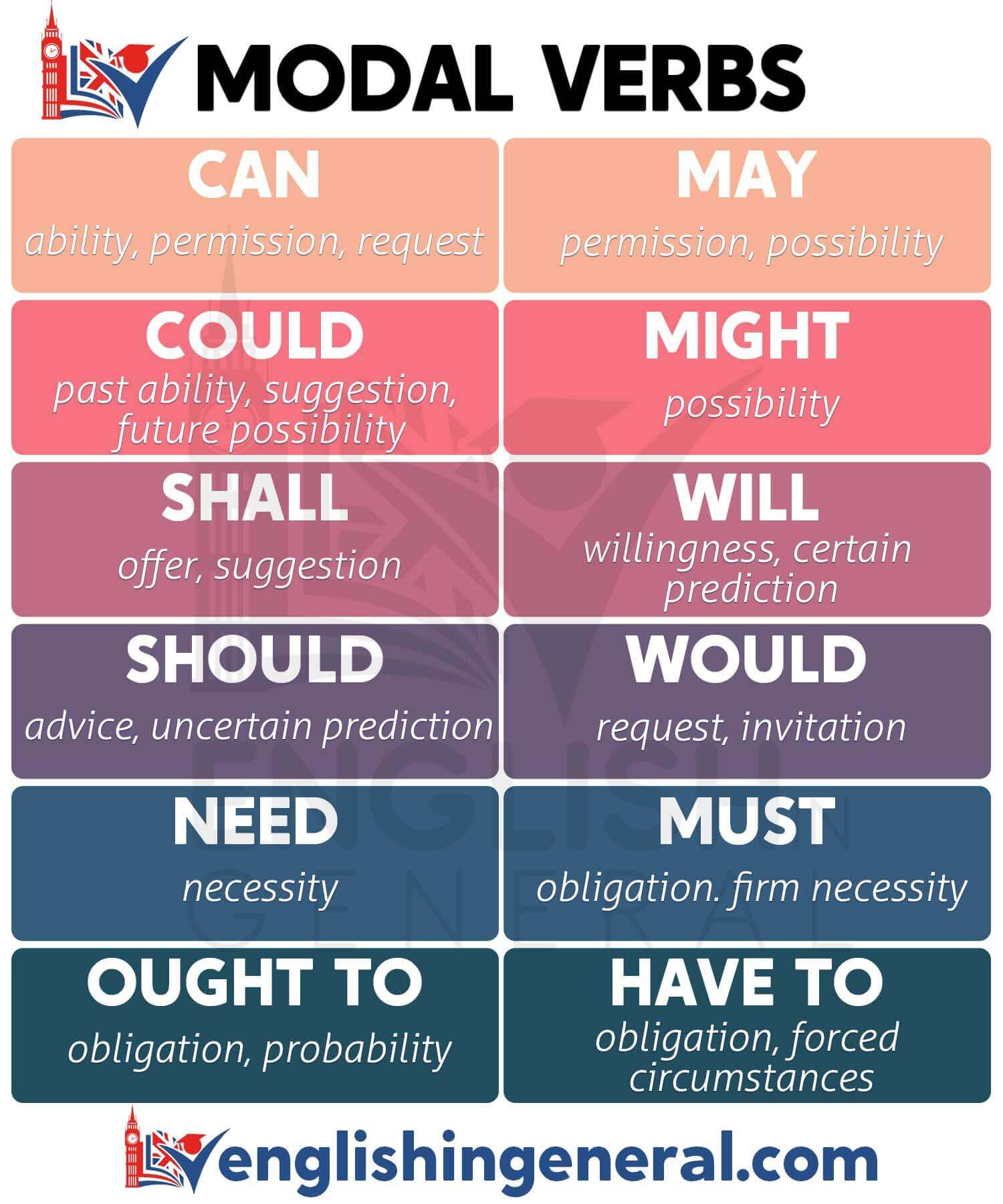
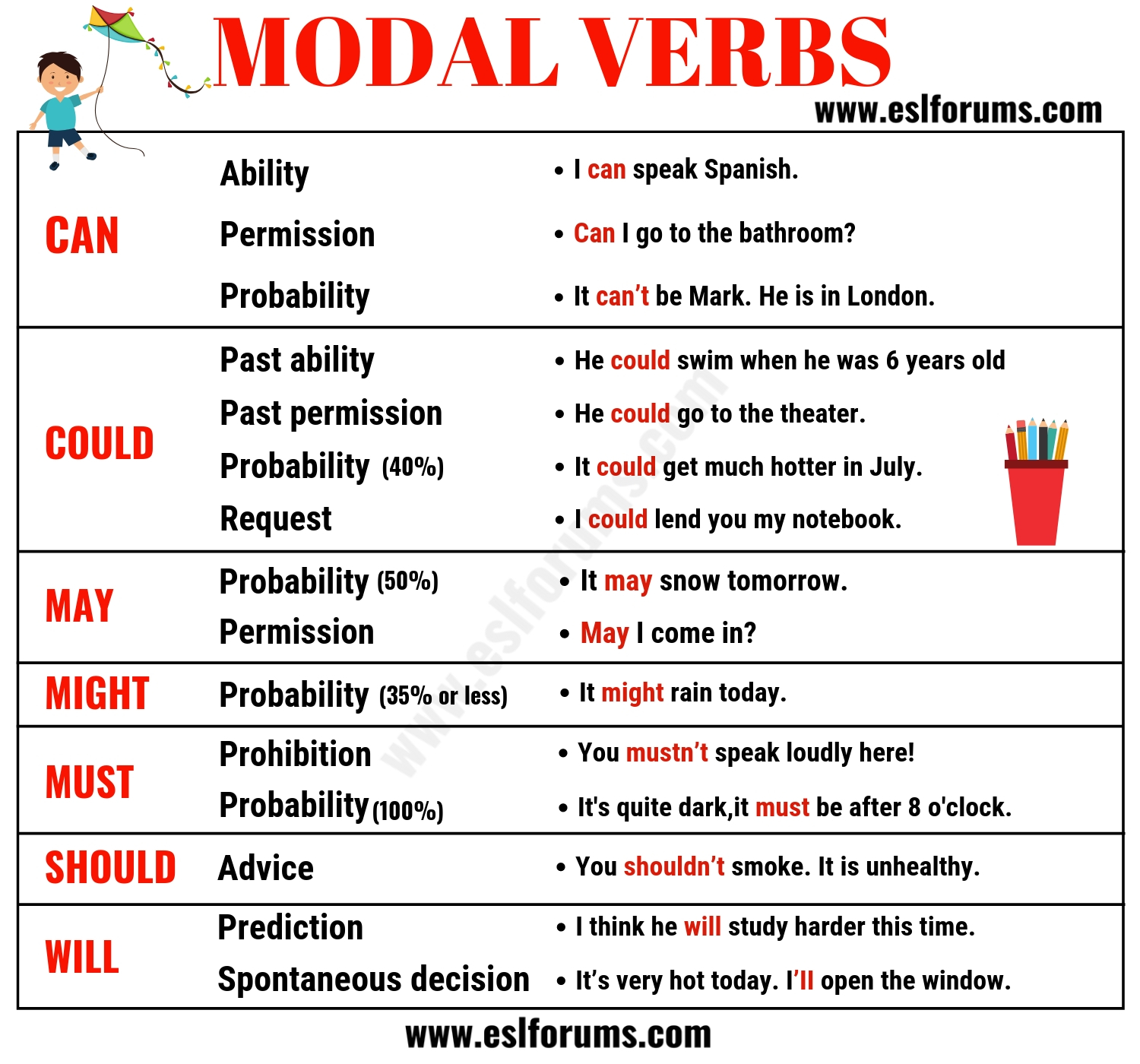
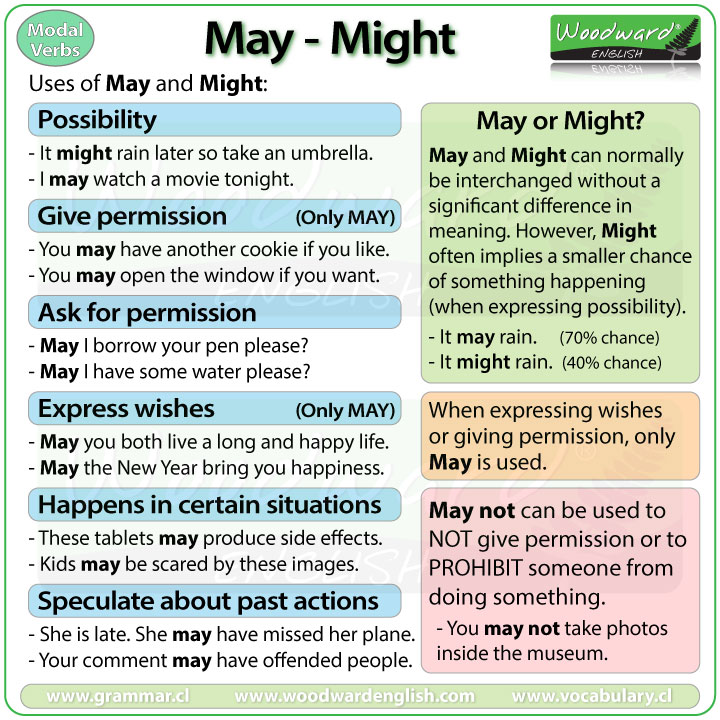
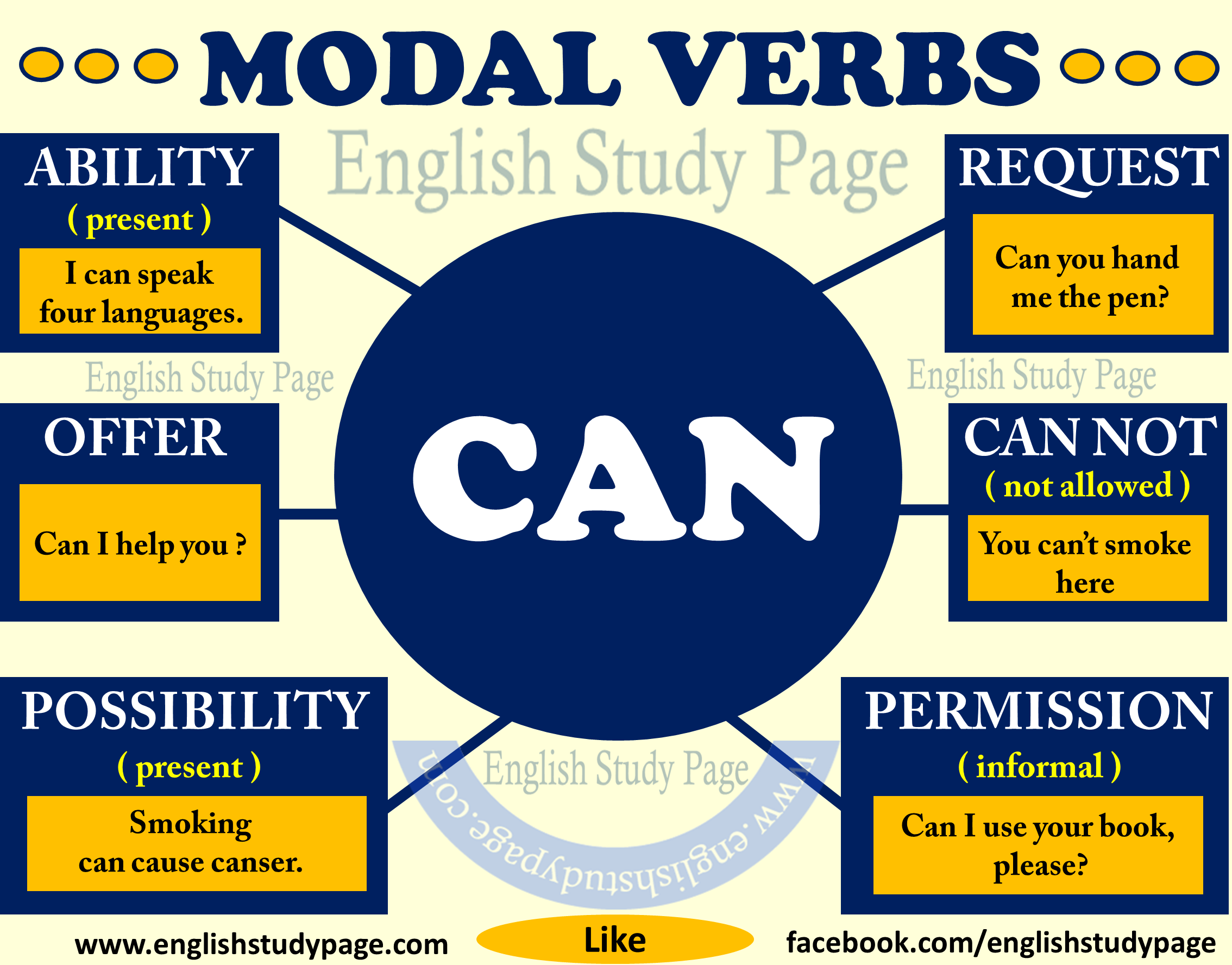
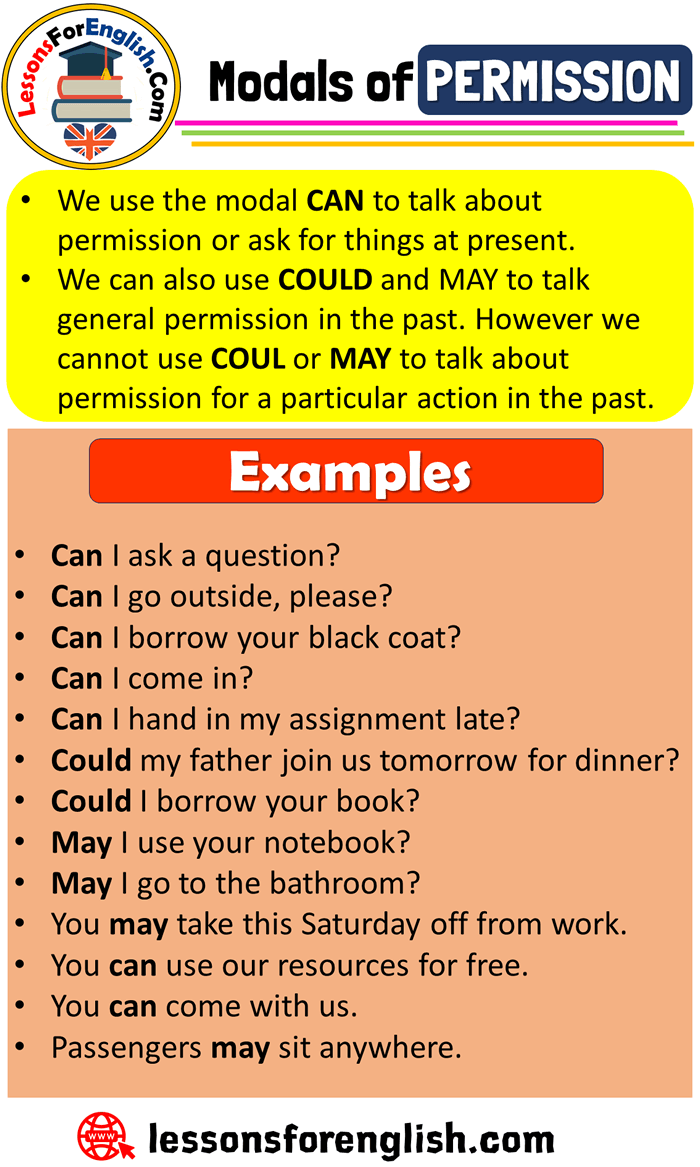
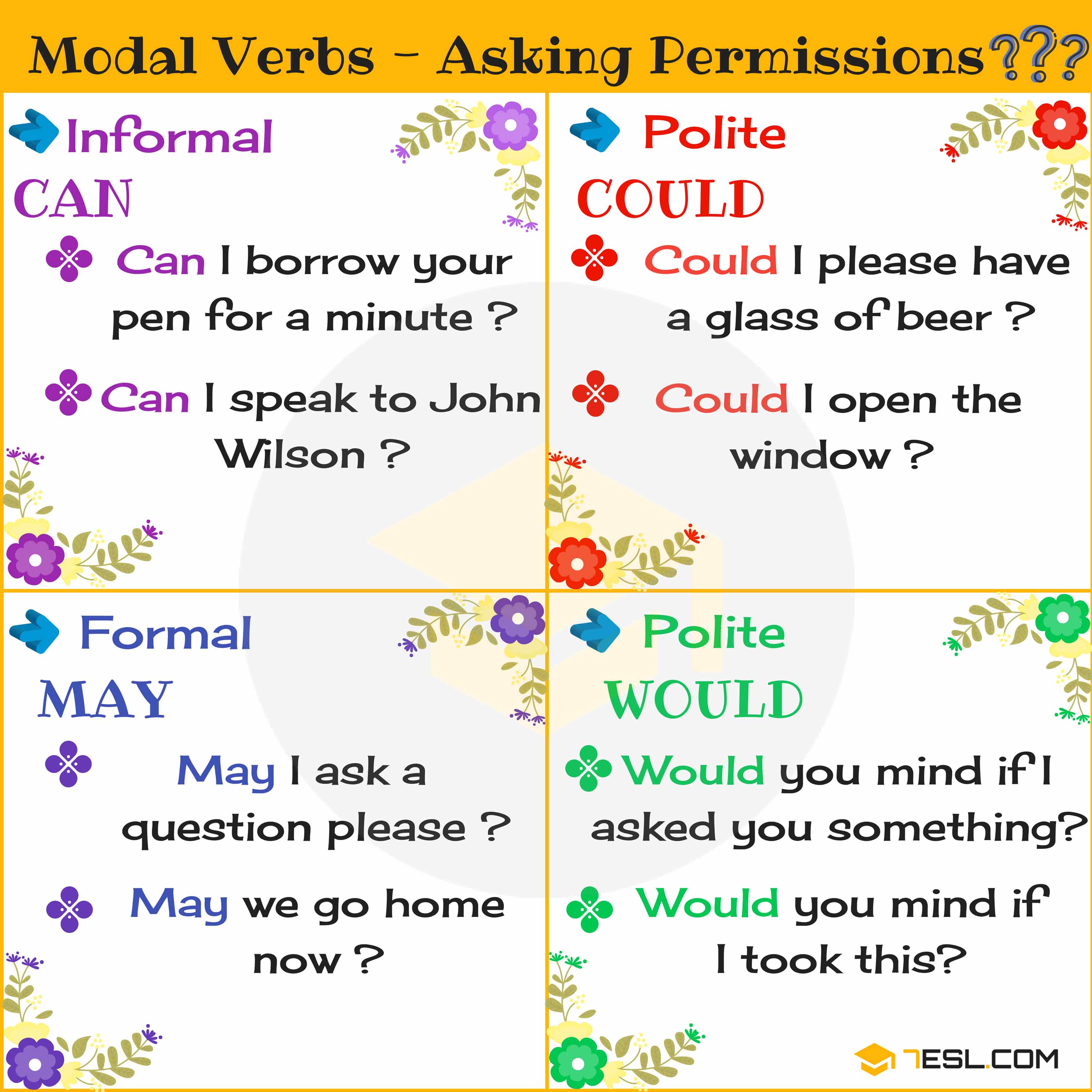
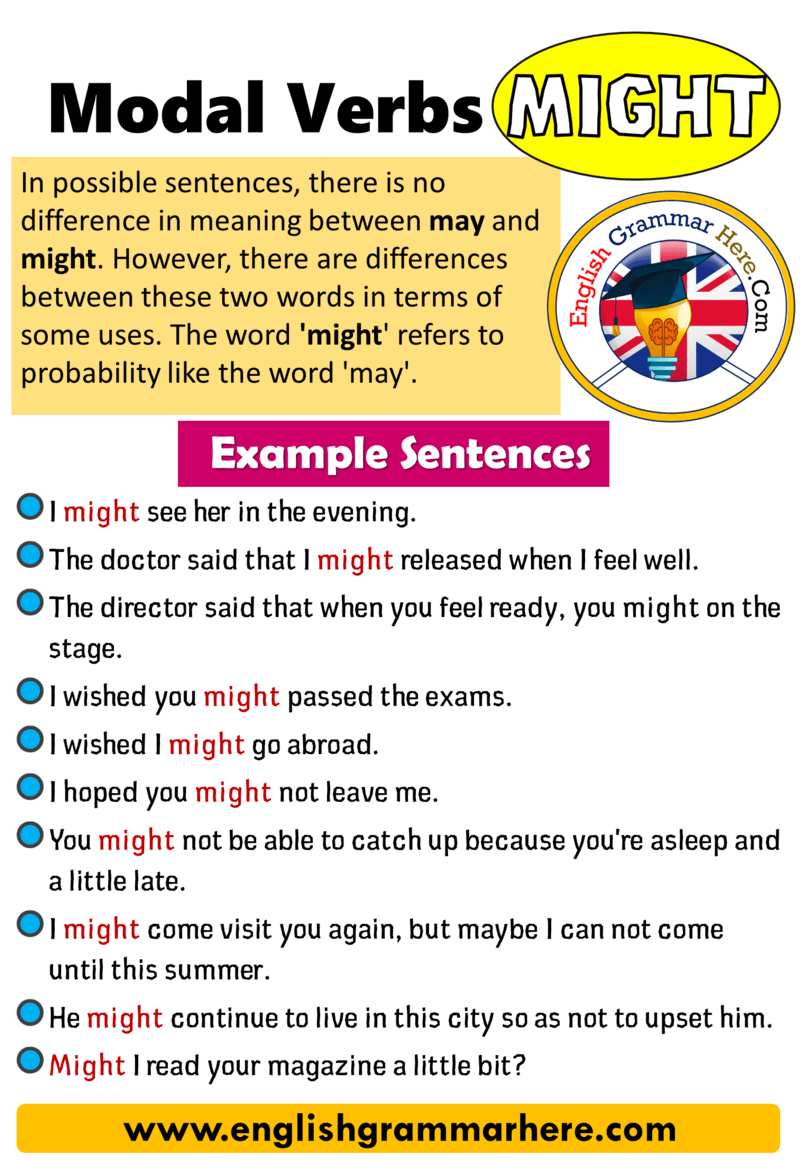
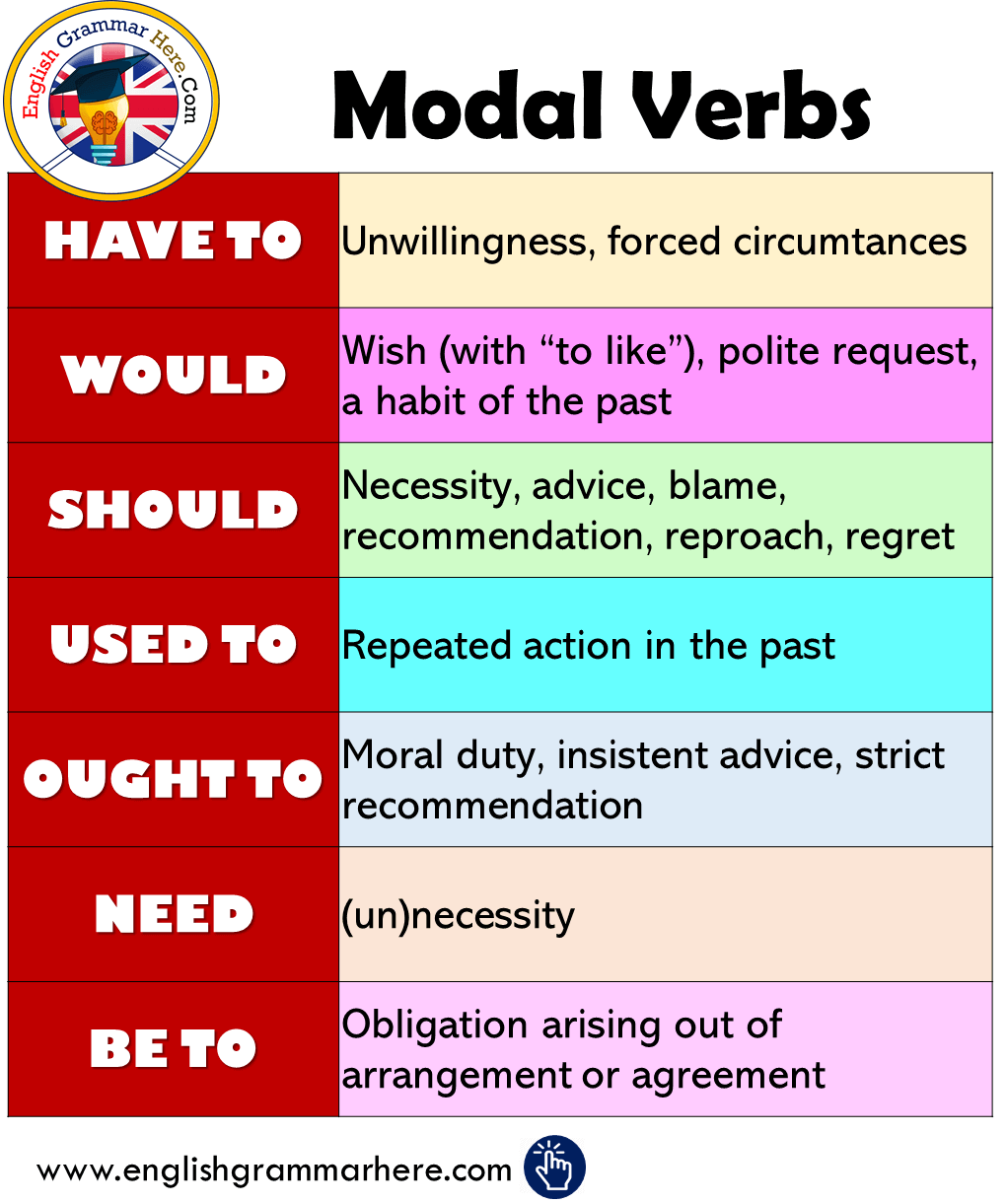
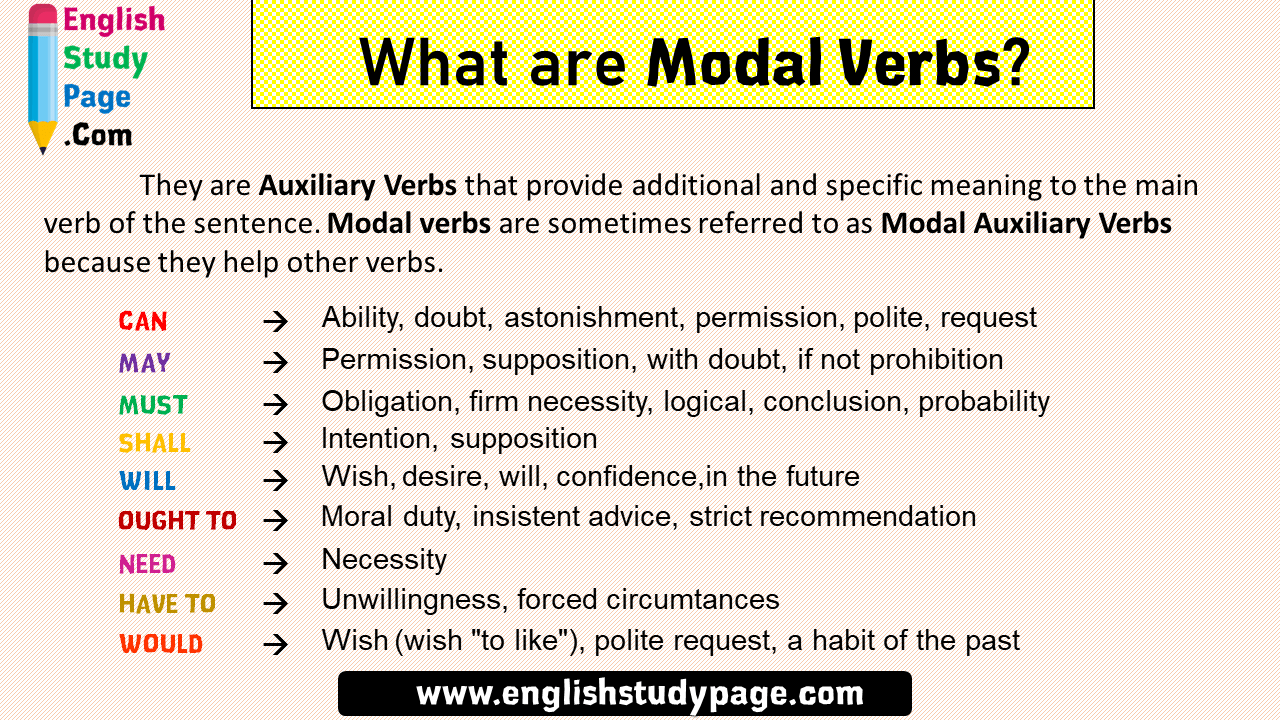
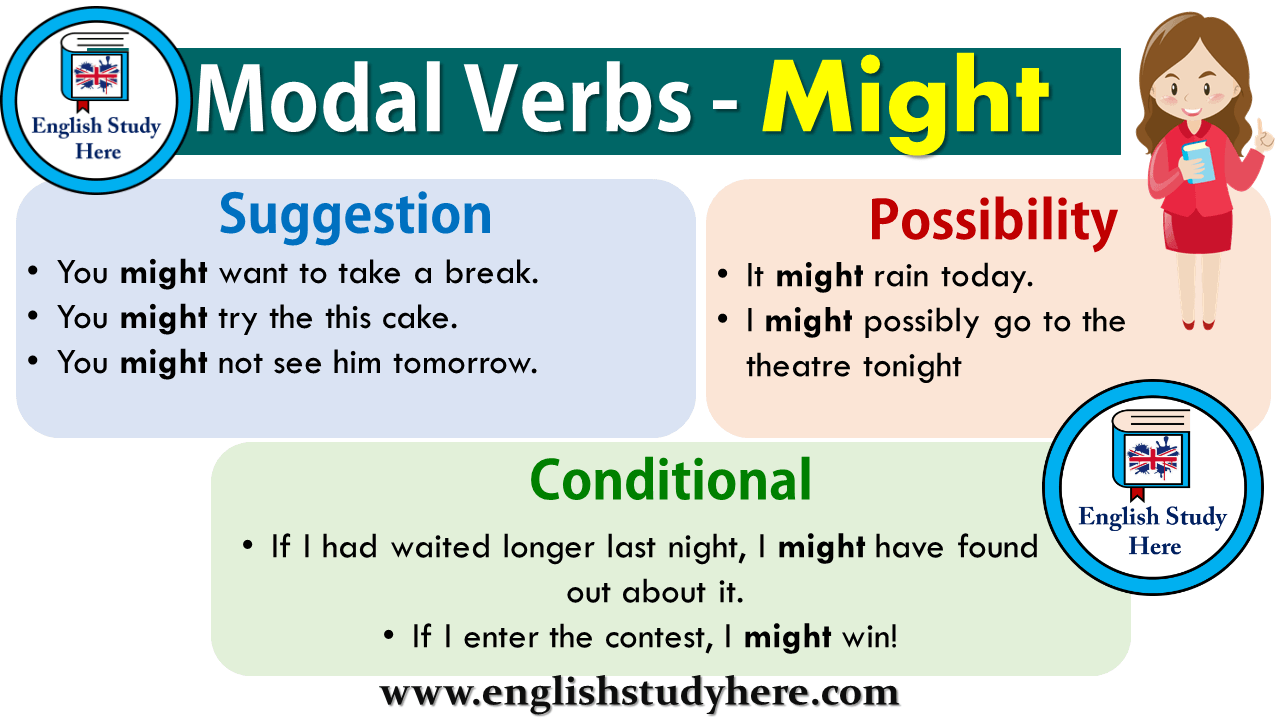
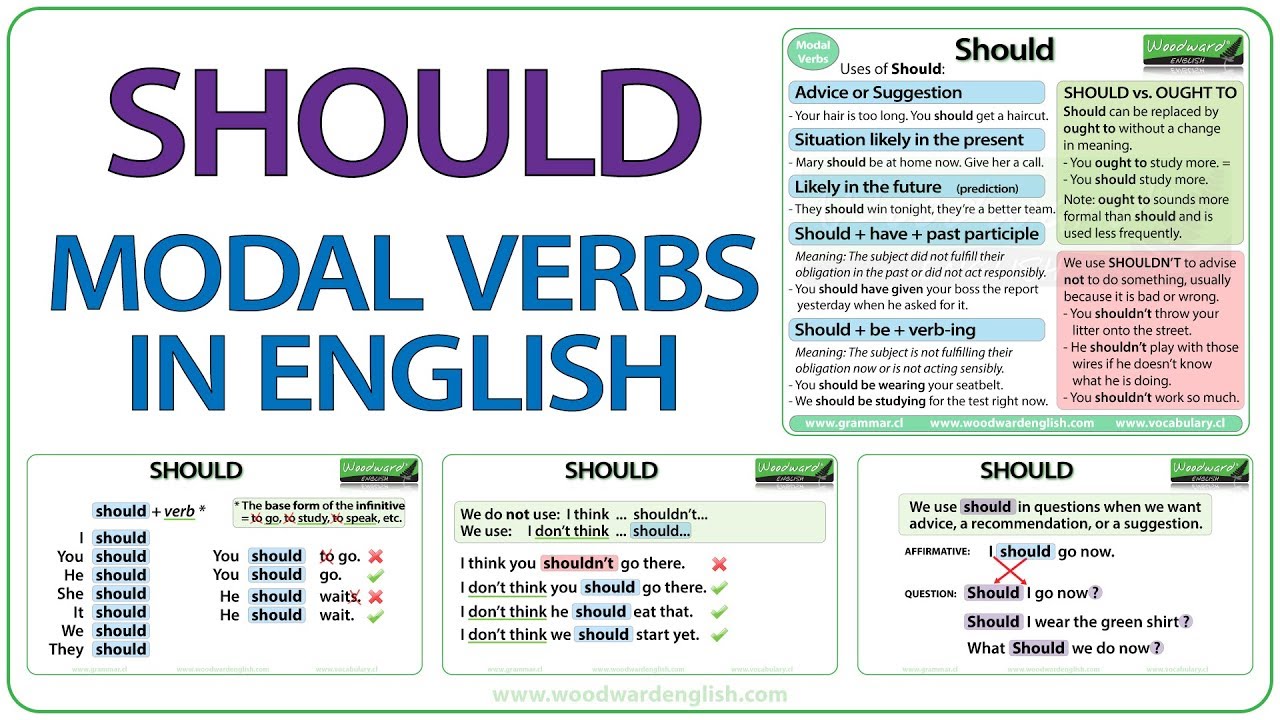
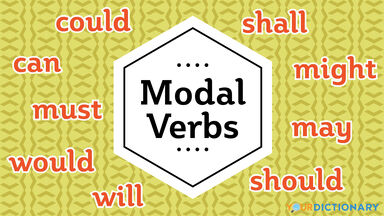
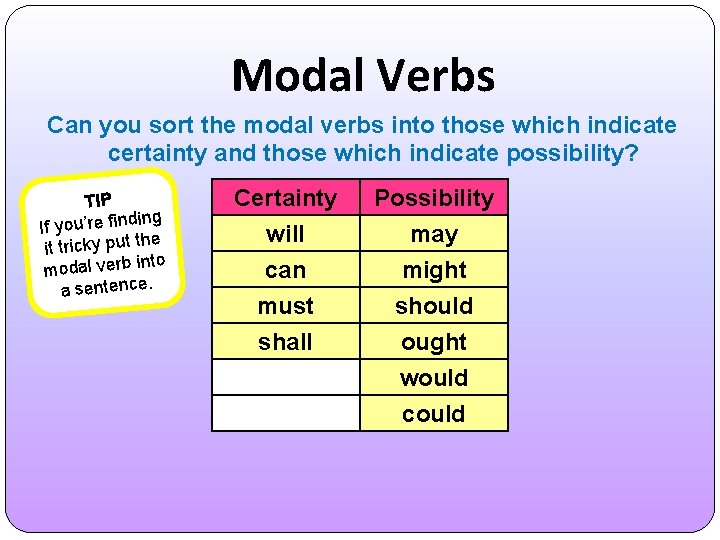
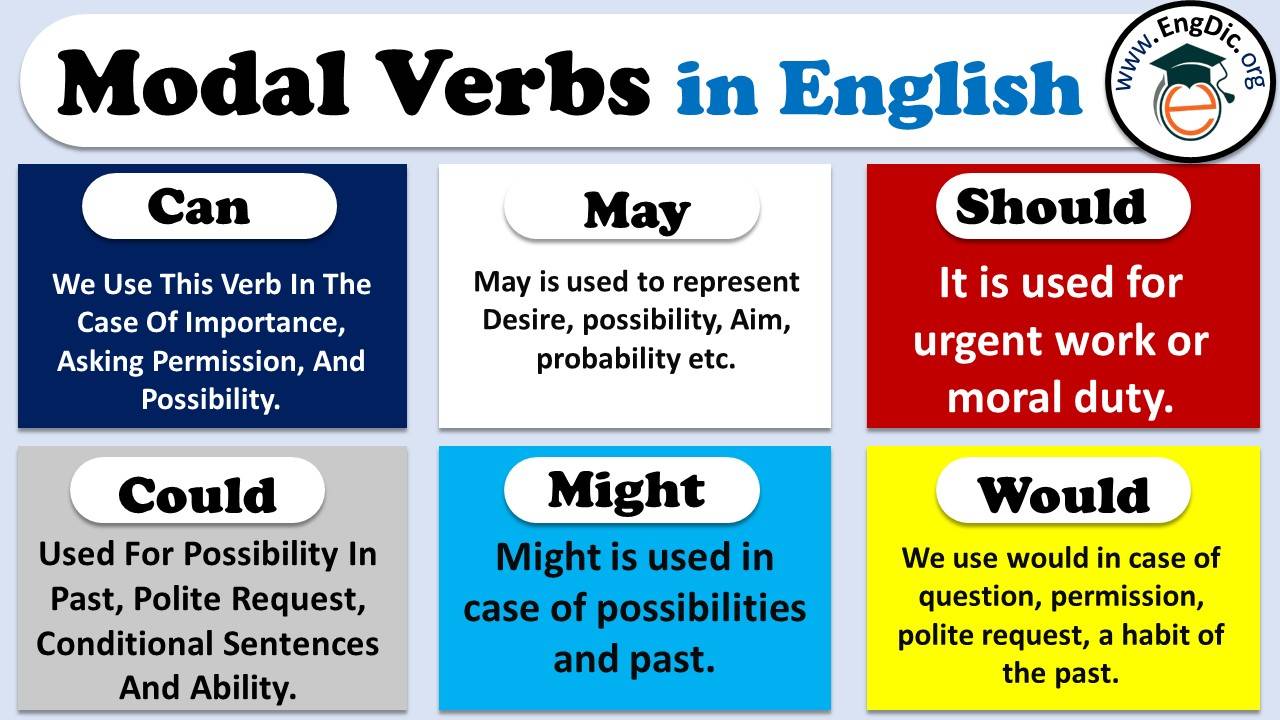
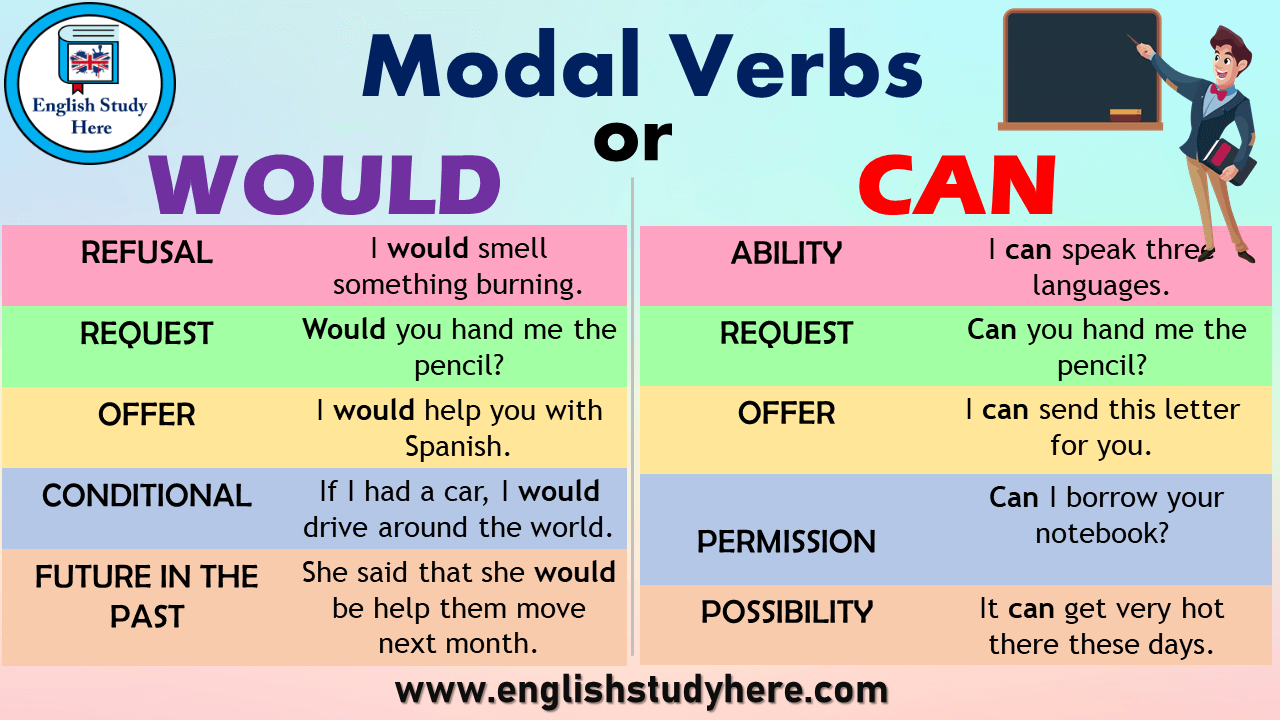
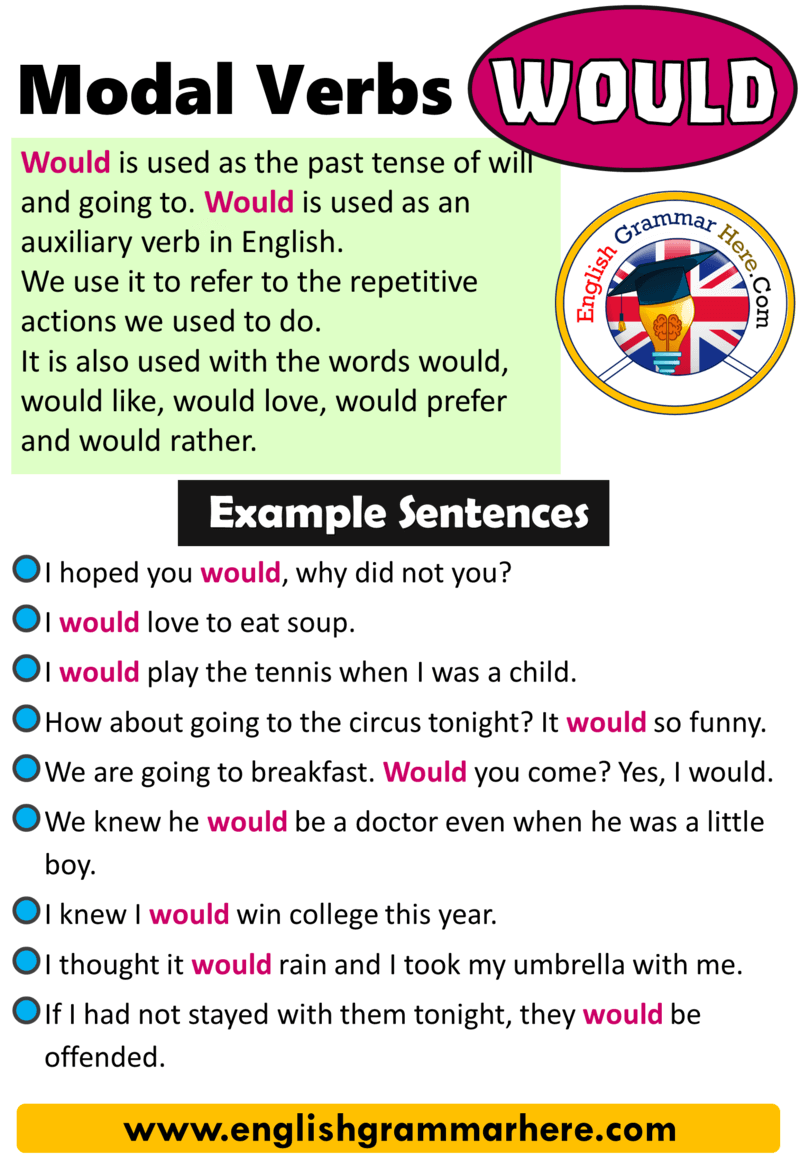
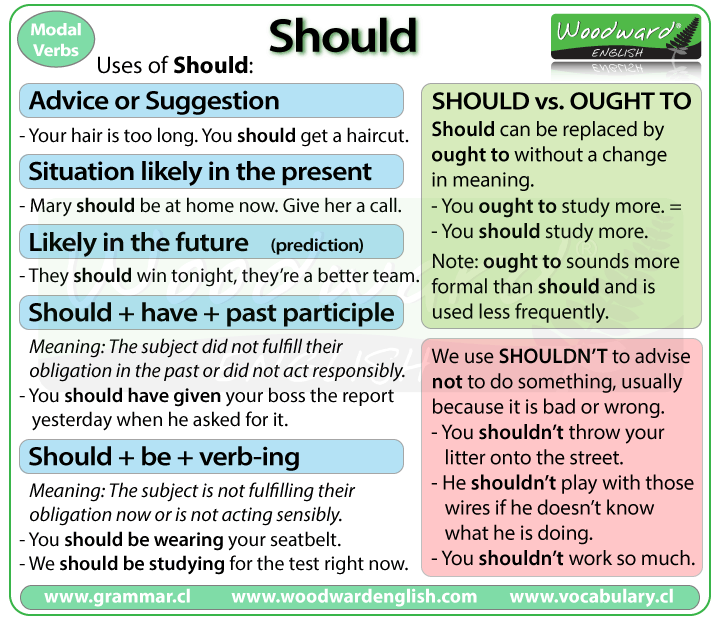
Verbs are divided into various parts One such part that acts as secondary verbs and helps the main verb in a sentence is called helping verbsAnd the topic we are discussing in this post, modal verbs, is a unit of helping verbsSo, modal verbs also act as secondary verbs and help or modify the main verb in a sentenceModal verbs always appear to the left of the main verb They also appear in front of any other helper verbs or adverbs that also appear in the sentence The student should write her essay soon;This means that by using the modal verbs, a person is able to communicate different claims while stating the commitment they have to those claims The modal verbs are can / could / might /will would / shall / should / must Uses of the modal verbs in English In English, the modal verbs are used to express ability, possibility, permission or obligation Each one of the modal verbs can be
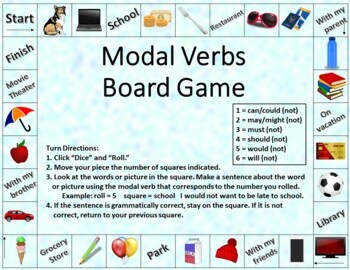
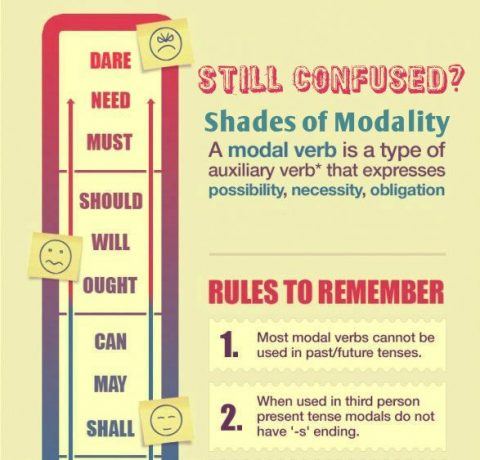
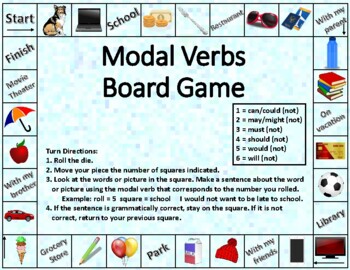
Modal verbs These are verbs that indicate likelihood, ability, permission or obligation Words like can/could, may/might, will/would, shall/should and mustModal verbs are followed by an infinitive without to Form Modal verbs do not have all the tenses Modal verbs use other verbs to complete the tenses Can is completed with be able to Must is completed with have to They can play the piano They will be able to play the piano in the future Modal adverbs are used to modify specific verbs that consist of a linking verb (verb of being) and sometimes another verb Examples of
Be able to modal verbのギャラリー
各画像をクリックすると、ダウンロードまたは拡大表示できます
 |  |  |
 |  |  |
 |  |  |
「Be able to modal verb」の画像ギャラリー、詳細は各画像をクリックしてください。
 |  |  |
 |  |  |
(136).jpg "Modal Verbs Quiz Proprofs Quiz") | 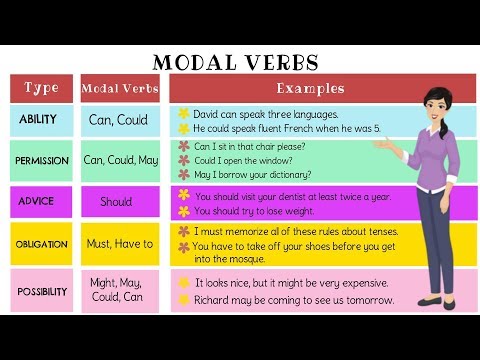 |  |
「Be able to modal verb」の画像ギャラリー、詳細は各画像をクリックしてください。
 |  | |
 |  |  |
 |  |  |
「Be able to modal verb」の画像ギャラリー、詳細は各画像をクリックしてください。
 |  | |
 |  |  |
 |  | /modals-56a2af275f9b58b7d0cd6226.jpg "Modal Verbs Quiz With Answer Explanations") |
「Be able to modal verb」の画像ギャラリー、詳細は各画像をクリックしてください。
 |  |  |
 |  |  |
 |  |  |
「Be able to modal verb」の画像ギャラリー、詳細は各画像をクリックしてください。
 |  |  |
 |  |  |
 |  |  |
「Be able to modal verb」の画像ギャラリー、詳細は各画像をクリックしてください。
 |  |  |
 |  | |
 |  |  |
「Be able to modal verb」の画像ギャラリー、詳細は各画像をクリックしてください。
 |  |  |
|  | |
 |  | |
「Be able to modal verb」の画像ギャラリー、詳細は各画像をクリックしてください。
 |  |  |
 |  | |
 |  |  |
「Be able to modal verb」の画像ギャラリー、詳細は各画像をクリックしてください。
 |  | |
 |  |  |
 |  |  |
「Be able to modal verb」の画像ギャラリー、詳細は各画像をクリックしてください。
 |  |  |
 |  |  |
 |  |  |
「Be able to modal verb」の画像ギャラリー、詳細は各画像をクリックしてください。
 |  |  |
 |  |
A modal auxiliary verb , often simply called a modal verb or even just a modal , is used to change the meaning of other verbs by expressing modality —that Modal verb definition of modal verb by The Free Dictionary We use modal verbs–verbs like can, could, and should–to talk about things such as ability, possibility, permission, or obligation And we use the passive voice to focus on the object of an action rather than the doer of the action In general, we follow this structure to use modal verbs in the passive voice Modal verb be past participle
Incoming Term: modal verbs be able to, modal verb to be, be able to modal verb, modal verb may be, is be a modal verb, would be modal verb,


0 件のコメント:
コメントを投稿